Canton, Michigan • Metro Detroit • Nationwide
AI & RAG Development for Delivering Fast Answers and Productivity
We design and build retrieval-augmented AI solutions that power your team: faster answers, fewer clicks, and measurable wins for support, operations, and knowledge work.

Overview
Practical AI that stays grounded in your data
We build AI assistants and search that cite sources, respect permissions, and plug into your tech stack. Our focus is creating business value: reduced search time, self-service, fewer escalations, and faster project cycles. Learn about Model Context Protocol (MCP) and how we can use it to connect your apps and workflows.
Core stack: vector or hybrid retrieval (Elasticsearch/Opensearch + embeddings), document pipelines (OCR & parsing), prompt/response testing, and cloud first hosting. We work in PHP, Python, and JavaScript alongside your existing systems.
Capabilities
What we deliver with AI & RAG
Chat & Knowledge Assistants
Q&A over company information, SOPs, tickets, and docs - with citations as needed.
Semantic Search
Vector + keyword search through PDFs, HTML, spreadsheets, and email threads.
Document AI
OCR, table extraction, redaction, summarization, and structured exports.
Agents & Automations
Guardrailed actions: create tickets, update orders, draft replies - always with approvals & logs.
Multi-tenant & SSO
Organization/user aware retrieval, SSO integration.
Observability & Analytics
Quality dashboards: response accuracy, deflection, latency, & cost per interaction.
How it works
Right-sized RAG architecture
We design for accuracy and maintainability. That means clean ingestion, normalization, and prompts that cite sources.
- Ingestion from drives, EHR/ERP/CRM, documents, and email
- Chunking & metadata (owners, dates, labels, PII flags)
- Hybrid indexes (keyword + vector) with per-doc permissions
- Prompt routing, function calling enhance workflows
- Evidence-first responses with links & confidence signals

Use cases
Where AI & RAG move the needle

Support agents
Suggests answers with citations, drafts replies, and plans follow-ups.

Policy & document Q&A
Ask questions across PDFs, spreadsheets, emails, and any unstructured data. Get answers you can trust.
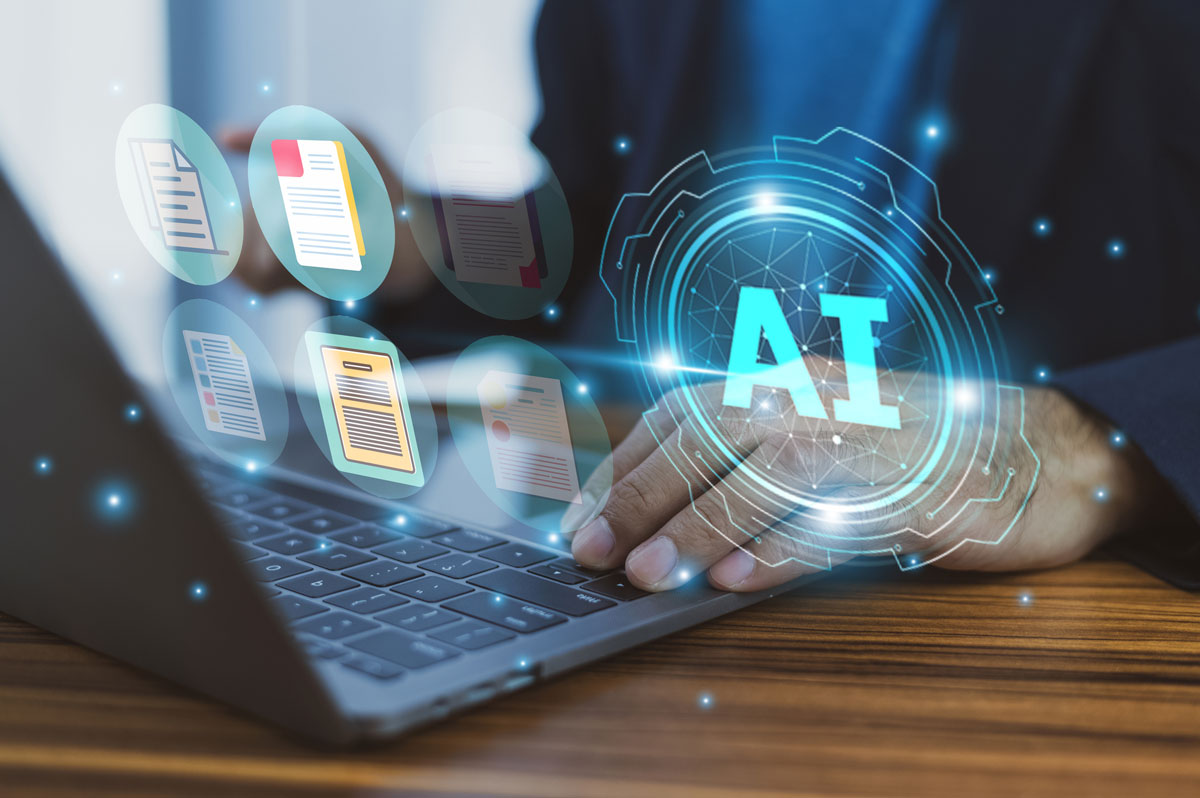
Agent actions
Automated tools to create tickets, update orders, generate drafts, and more.
Engagement
How we work with your team
Discovery Sprint
1–2 weeks to validate a use case, map data sources, plan architecture, and define success metrics.
Pilot to Production
Fast, iterative development gets you productive quickly as your RAG enviroment is built.
Operate & Improve
Dashboards, user evaluation, prompt/response improvements.
FAQ
AI & RAG questions we get a lot
Ready to pilot AI and RAG with your data?
Give us a sample of your content. We’ll propose a low-risk pilot with clear success metrics.